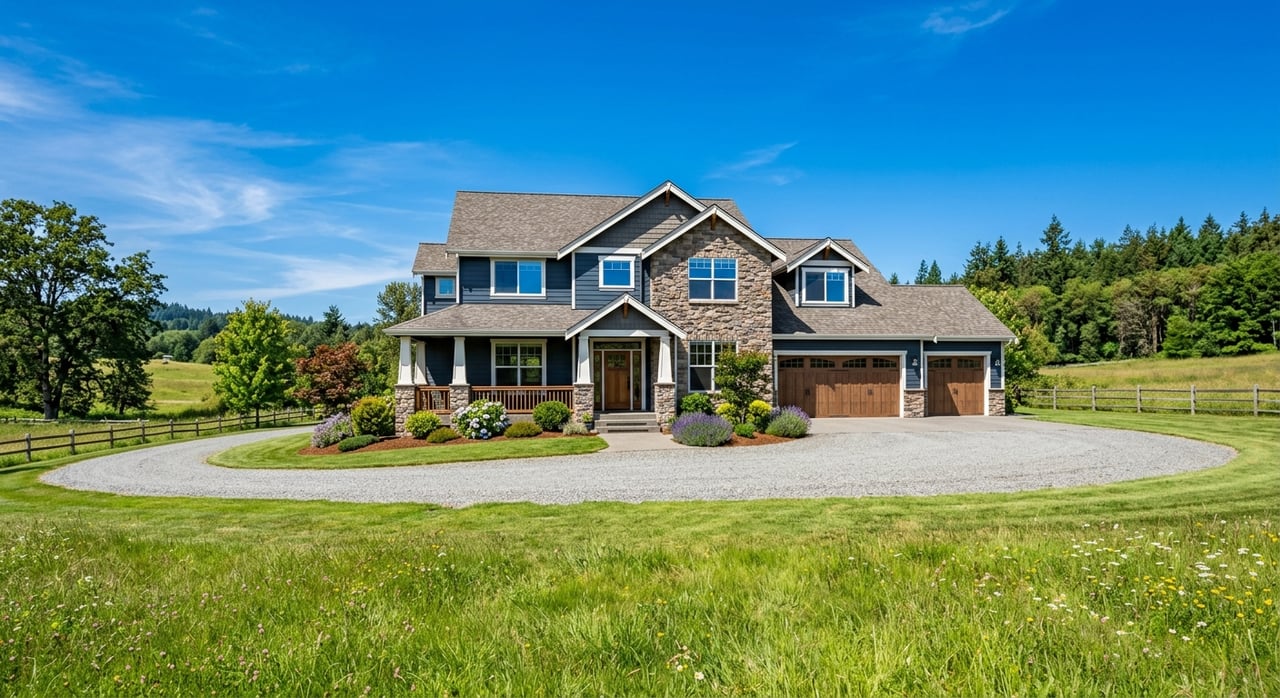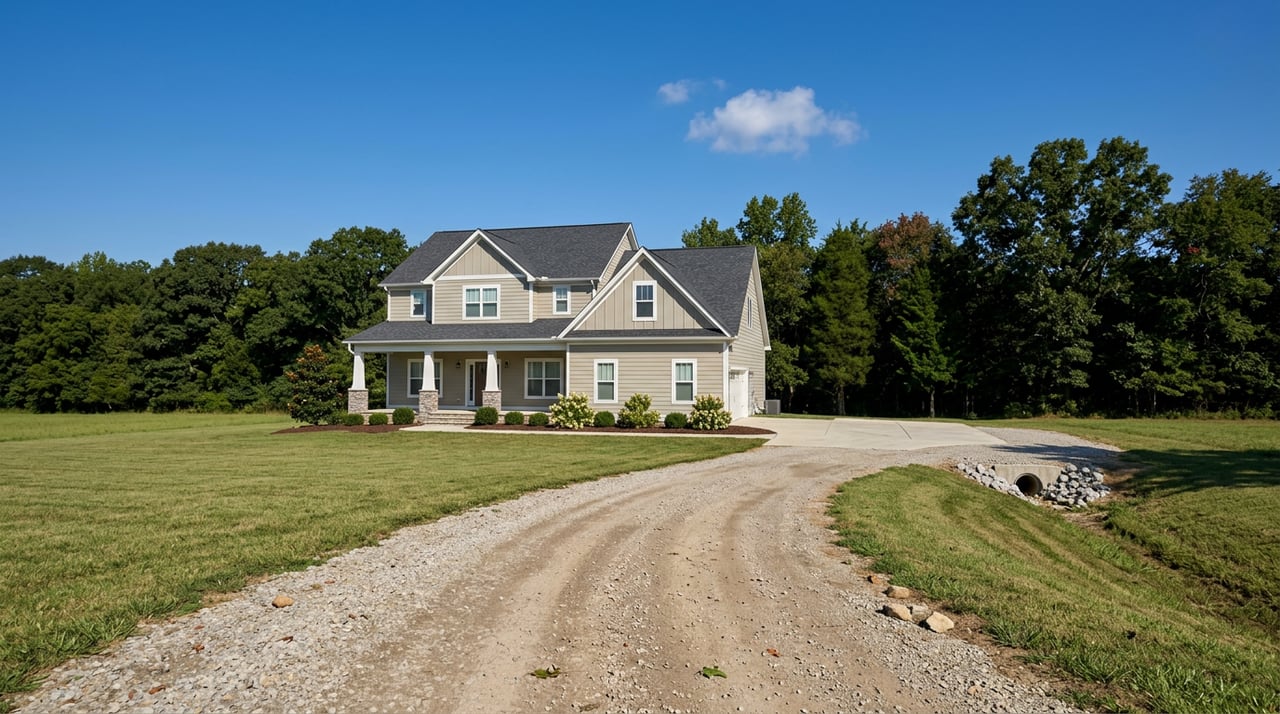
Selling land is not the same as selling a house. In Greeneville and across Greene County, rural buyers ask different questions, lenders look for different documents, and timelines can be longer. If you prepare the right records, price with a clear use case, and market the land’s usable features, you give buyers confidence and protect your bottom line. This guide walks you through what to do before you list, how to price acreage wisely, and the marketing steps that move serious buyers to act. Let’s dive in.
Know your Greeneville buyers
Rural buyers in and around Greeneville are diverse. You may attract commuters and Tri‑Cities buyers looking for weekend spaces, hobby or mini‑farm owners, equestrian or recreation buyers, timber or hunting investors, and, at times, small‑scale developers where utilities and frontage allow. Greeneville is roughly 35 to 50 minutes from Johnson City and about 1 to 1.25 hours from Knoxville, which expands your buyer pool for lifestyle and remote‑work moves.
Focus your marketing on the likely use. For example, a 5 to 15 acre mini‑farm with fencing near town appeals to residential buyers, while a 50 plus acre remote tract with trails suits recreation or timber buyers. Land typically stays on the market longer than single‑family homes, so targeted positioning and realistic pricing are key.
Do pre‑listing due diligence
Acreage buyers expect clear answers about boundaries, access, utilities, soils, and any limits on use. Gather documentation up front so you can answer quickly and reduce contingencies.
Disclosures and core records
- Tennessee requires a Residential Property Condition Disclosure for most sales of property with 1 to 4 dwelling units. Review the statute to confirm if it applies to your situation, and complete it before listing. See the state statute for details on applicability and exemptions at the Tennessee code section for residential disclosures.
- Assemble the deed, tax parcel ID, any recorded easements or restrictions, HOA or protective covenants if they exist, prior surveys, and any building permits. You can pull parcel maps and confirm recorded instruments using the county’s GIS and Register of Deeds resources. Start with the Greene County GIS page.
Helpful links:
- Tennessee Residential Property Condition Disclosure statute: state statute and form text
- Parcel maps and county GIS: Greene County GIS
Survey, boundaries, and access
- Have a current boundary survey or confirm the most recent survey date and condition of corner markers. Buyers pay more and negotiate less when corners are obvious and acreage is verified. County GIS maps are a helpful visual reference but are not a legal survey.
- Confirm access. Identify whether the road is public or a private easement, and share any road maintenance agreement. For road classification or maintenance questions, contact the Greene County Road Superintendent.
Septic, wells, and power
- Gather septic and well permits, installation dates, and any recent service or inspection records. If records are missing, a buyer or lender may require new tests or inspections before closing. The Greene County Health Department can advise on available files and current requirements.
- Verify electrical service availability. Do not advertise service until you confirm lines are at the road or on site and whether extension costs apply. To understand local power providers and networks, review the TVA profile for Greeneville Light & Power at the TVA local power companies page.
Broadband and remote work
If you intend to market the property as remote‑work friendly, confirm service at the address. Availability varies by road and valley. Check providers directly and use address‑level lookups for the most accurate data. A starting point for local fiber expansion updates is Brightspeed’s presence in Greeneville, as summarized on this provider overview. Share verified speeds in your listing only after confirming at the property.
Environmental and soils
- Check flood risk using FEMA resources and note any mapped floodplain. Flood risk can affect insurance and financing. Start with FEMA’s homeowner guidance at the FEMA flood maps page.
- For properties without sewer, perc or soils testing helps buyers know where they can place a home and what septic size is feasible. A local soils contractor or the county environmental office can guide next steps. For pasture, hay, and land management questions, the UT Extension in Greene County is a reliable resource.
Greenbelt taxes and rollback
If your land is enrolled in Tennessee’s Greenbelt program for agricultural, forest, or open‑space use, property taxes may be lower. Certain transfers or changes in use can trigger rollback taxes. Identify your current enrollment and advise buyers accordingly. For rules and examples, reference the Tennessee Comptroller’s Greenbelt Manual and confirm specifics with the county Assessor.
Timber and mineral rights
Timber and mineral rights can add value or complications. If timber has been harvested recently or is under contract, disclose it. If you think standing timber adds value, consult a forester for a timber cruise and valuation. The NC State Extension’s guide on timber sales explains planning and tax considerations for landowners. Review the timber sale planning guide and speak with a consulting forester before assuming a value.
Price your acreage accurately
Land is heterogeneous. Two parcels the same size may vary in value based on road frontage, topography, utilities, soils, views, fencing, and usable acres.
Use multiple valuation lenses
- Market comps. Look for recent closed sales that match acreage range, access quality, improvements, and proximity to town. Adjust for shape, topography, and utilities. Asking prices on active listings help you read the market, but closed sales are the stronger pricing anchor.
- Highest and best use. Decide whether your land’s best value is a residential mini‑farm, recreational tract, timber holding, or, in rare cases, a development parcel. Road frontage, permitted density, and utility availability drive this analysis. If your tract is specialized or large, consider consulting a land specialist through the REALTORS Land Institute’s Find a Land Consultant tool.
- Income and expense. If the land generates income from hay, pasture lease, or hunting, you can estimate value using a reasonable capitalization of net income. For timber, a forester’s appraisal is essential before marketing a timber premium.
Practical pricing tips
- Price to the buyer segment you expect. Smaller, improved lots near town often trade at a higher per‑acre price than large, remote tracts that attract recreation or timber buyers.
- Show value clearly. List included improvements like fencing, gates, barns, wells, septic permits, cleared building sites, and internal trails. Provide soils data and utility notes so buyers see fewer unknowns.
- Be realistic about time on market. Land in the Greeneville area often takes many months to sell, so a well‑supported asking price and strong listing package can reduce time and renegotiations.
Present and market the land
The right prep and visuals help buyers understand how they can use the property.
Prep the property
- Mow or bush‑hog around primary building sites and along access drives so buyers can walk key areas.
- Flag corners if surveyed, and place discreet markers at features like the well head, existing septic tank, or likely drainfield locations.
- If you have pasture or fencing, repair obvious issues so the land photographs well and shows as usable acreage.
For guidance on land and pasture management in our area, lean on the UT Extension in Greene County.
Elevate visuals and maps
- Invest in high‑quality drone photos and a short aerial video. Include wide shots that show terrain, treelines, and neighboring context.
- Add a parcel line overlay and a labeled map highlighting access, building sites, water features, and any barns or sheds. Pull a clean base map from the Greene County GIS.
- If any portion is in a mapped flood area, include a simple disclosure and a link to FEMA’s resources at the FEMA flood maps page.
Smart listing and outreach
- Syndicate through the MLS and use niche land channels where appropriate. Target paid social ads to audiences interested in hobby farming, equestrian activities, and outdoor recreation. Your ad copy should speak to the intended use, such as “ready for a 3‑bed septic” or “trail network and creek for recreation.”
- For larger or specialized tracts, share the listing within land‑specialist networks. The REALTORS Land Institute’s Find a Land Consultant directory can increase exposure to qualified buyers.
Safe, smooth showings
- If access is via a private or gated road, provide clear directions, gate codes, and any road rules before showings. Identify any hazards like steep slopes or water crossings and schedule daylight showings only.
- Ensure inspection crews have access for perc testing, well testing, surveys, and any timber evaluations. For questions about road maintenance status, direct buyers to the Greene County Road Superintendent.
Local pros and offices to contact
Who to hire
- A land‑savvy listing agent with proven acreage experience. Look for agents familiar with Greene County’s rural due diligence and marketing.
- A licensed surveyor to confirm boundaries and access points.
- A septic, well, and soils professional to validate system condition and provide perc testing where needed. Coordinate with the Greene County Health Department.
- A consulting forester if timber value is part of the sale. Review NC State’s timber sale planning guide for what to expect.
- A title company or closing attorney experienced in rural easements and mineral clauses.
- For specialty valuation, an appraiser with rural land expertise.
Key county contacts
- Greene County Health Department — wells and septic: Environmental Health and permits
- Greene County GIS and Assessor — maps and tax data: County GIS portal
- Greene County Road Superintendent — road maintenance status: County roads and maintenance
- UT Extension, Greene County — pasture, soils, and landowner programs: Local Extension office
- FEMA Flood Maps — flood risk resources: FEMA flood maps
Avoid common pitfalls
- Overpricing by comparing to home sales instead of land comps. Price by likely use and actual closed sales, then adjust for improvements.
- Missing or unclear access. Always confirm whether access is public or a private easement and disclose any maintenance agreement.
- Incomplete septic and well documentation. Gather permits and recent records or be ready for new inspections.
- Greenbelt surprises. Identify enrollment status early and explain potential rollback taxes using the Tennessee Comptroller’s Greenbelt Manual.
- Undocumented timber or mineral rights. Disclose any harvests or contracts and consult a forester or attorney if rights were reserved by a prior owner.
Quick pre‑listing checklist
- Deed, parcel ID, recorded easements or restrictions, and the latest survey or a plan to order one. Reference the Greene County GIS for maps.
- Completed Tennessee Residential Property Condition Disclosure if applicable. Review the state statute.
- Septic and well permits, any recent inspection or service records, and, if needed, a new perc or septic inspection. Coordinate with the county health department.
- Aerial and drone photos, parcel line overlay, and a simple site map with labeled features.
- Access details and any private road maintenance agreement. Confirm road status with the Road Superintendent.
- Greenbelt enrollment details and a basic explanation of potential rollback. Reference the Greenbelt Manual.
- Broadband service verification at the property address. Use provider confirmations, such as those noted in local Brightspeed overviews.
Ready to build a tailored plan for your acreage or rural home near Greeneville? You can count on local expertise, clear communication, and professional marketing that showcases what buyers care about most. Connect with Matt Fleenor to get started.
FAQs
How long does it take to sell land in Greeneville?
- Land typically takes longer to sell than single‑family homes, often many months. Pricing to the likely use case and providing a thorough due diligence packet can shorten time on market.
What documents do I need to sell rural property in Greene County?
- Gather the deed, parcel ID, recorded easements or restrictions, latest survey, septic and well permits, and the Tennessee Residential Property Condition Disclosure if it applies.
How do Greenbelt taxes affect my sale in Tennessee?
- If enrolled in Greenbelt, certain transfers or a change in use can trigger rollback taxes. Identify enrollment status and review the Tennessee Comptroller’s Greenbelt Manual, then confirm specifics with the county Assessor.
Do I need a new survey before listing my acreage?
- A current survey is not always required but is highly beneficial. Clear boundaries and confirmed access increase buyer confidence and can reduce negotiations.
Can I market my rural property as remote‑work friendly?
- Yes, but verify broadband at the address first. Service varies by road and valley, so confirm with providers and only advertise speeds once verified.
Who handles septic and well questions for Greene County properties?
- The Greene County Health Department manages permits and records for wells and septic systems and can advise on requirements for inspections or new systems.