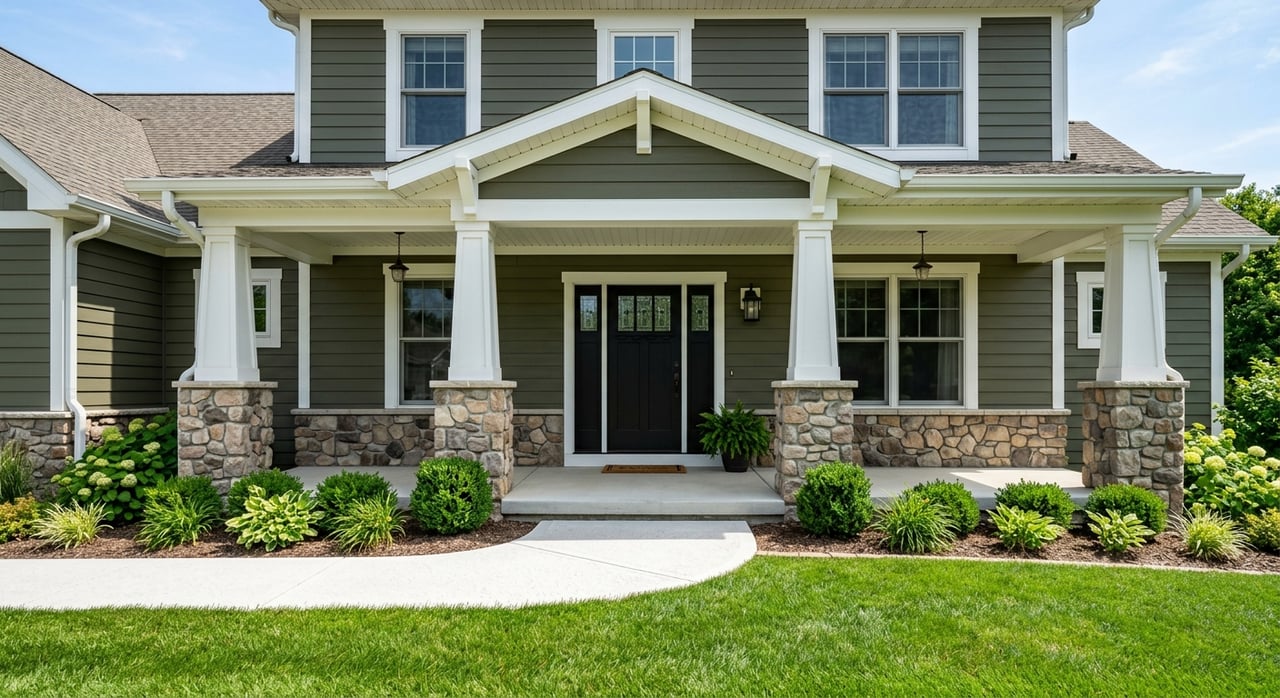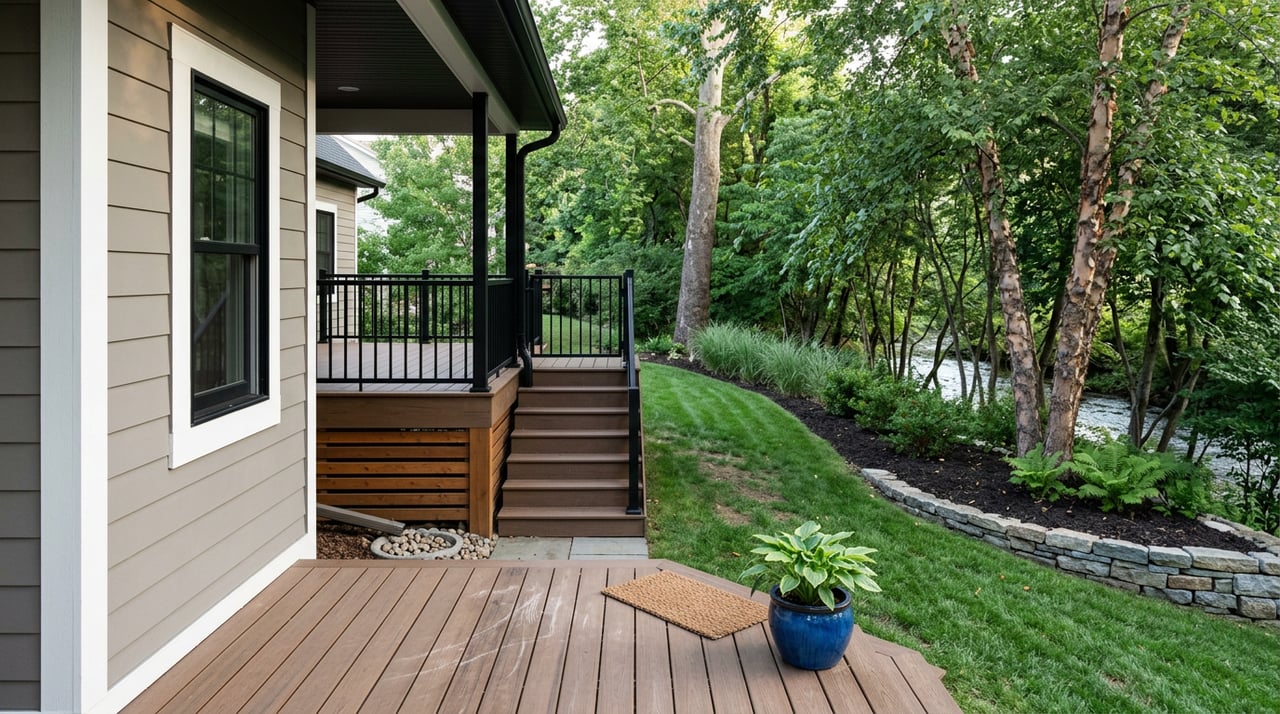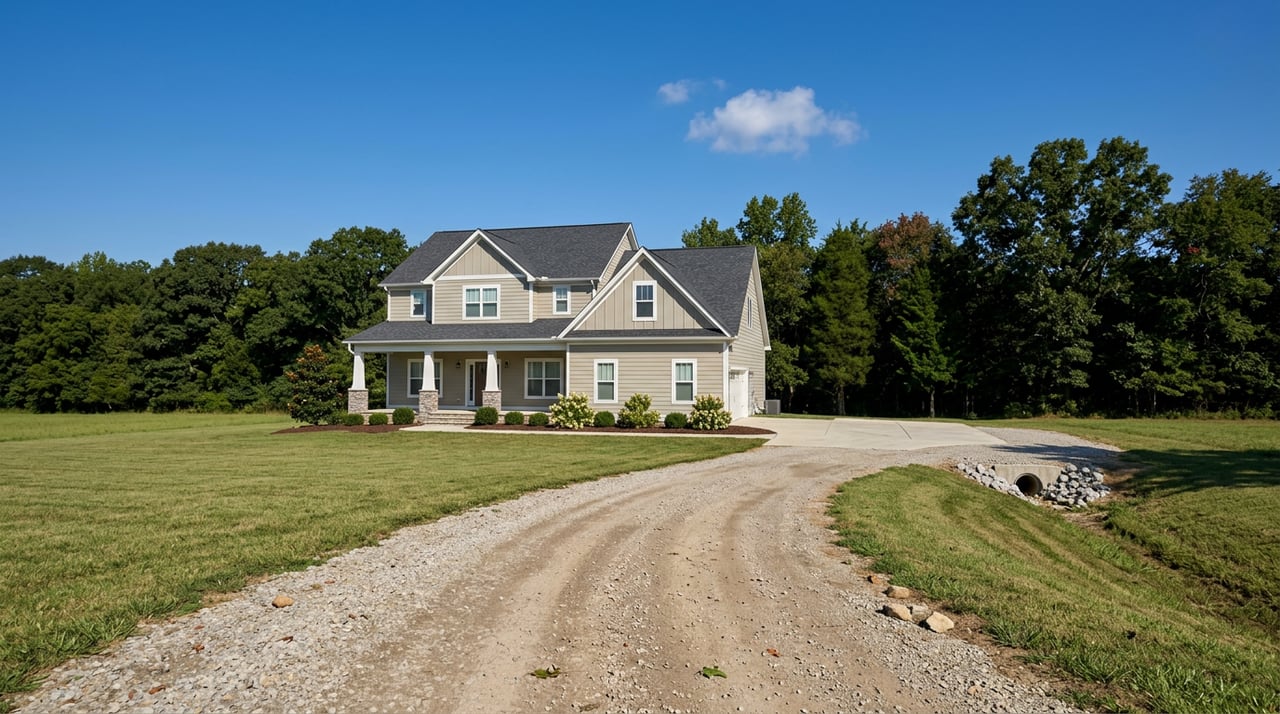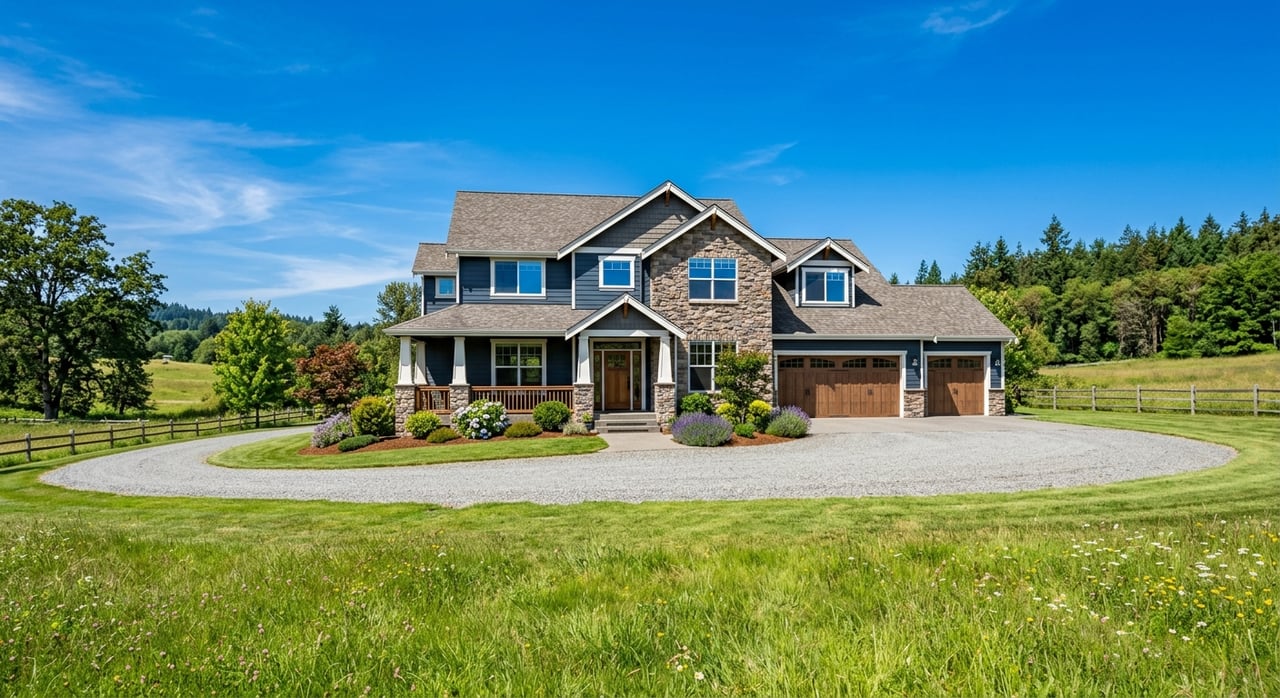
If more space is on your wish list, a small-acreage property near Jonesborough can feel like a real lifestyle upgrade. You may be picturing room for a garden, a detached shop, more privacy, or simply a little breathing room without giving up access to town. The key is knowing that with 1 to 10 acres, the details that matter most are often not the acreage itself, but the parcel’s jurisdiction, access, utilities, and buildability. Let’s dive in.
Why small acreage feels different
Buying small acreage near Jonesborough is not the same as buying a typical neighborhood lot. Two parcels with similar sizes can have very different rules, utility options, and improvement costs depending on where they sit.
That is why your first question should not be, “How many acres is it?” It should be, “Where exactly is it, and what can I legally and practically do with it?” Around Jonesborough, that answer often depends on whether the property is inside town limits, within the planning region, or in unincorporated Washington County.
Start with parcel location
The Town of Jonesborough explains that its planning region generally aligns with the town’s urban growth boundary. Within that area, the Jonesborough Planning Commission handles subdivision approvals, while rezoning requests outside town limits go through Washington County after Planning Commission review.
That distinction matters because the parcel location affects approvals, zoning questions, and what steps come next if you want to build or improve the property. In practical terms, the mailing address alone does not tell you enough.
A smart first step is to review Washington County GIS resources and parcel records. The county notes that GIS maintains zoning and land-use data, while the assessor keeps parcel maps current for new subdivisions, surveys, splits, and parcel combinations.
Zoning matters more than the listing photos
A scenic tract can be appealing, but it is not automatically ready for your plans. Zoning affects whether the parcel supports a home, how lot standards apply, and what limitations may come with the land.
According to the Washington County zoning resolution, the A-2 Agriculture-Residential district is intended for lower-density rural residential development, and public water and sewer may not be available in the near future. In A-2, the minimum lot size for a single-family structure is 1 acre.
The same county code says A-1 lot-area standards for single-family detached homes vary based on utility service:
- 43,560 square feet with no public water or sewer
- 21,780 square feet with public water and private septic
- 15,000 square feet with public sewer
This is one reason small acreage can be so attractive near Jonesborough. A parcel may offer space and flexibility, but only if the zoning and utility setup support your intended use.
Frontage and access can make or break a deal
One of the most overlooked issues with acreage is legal frontage. You can love the views and the setting, but if the lot does not meet frontage requirements or cannot support proper access, your plans may get more complicated.
Washington County requires:
- 25 feet of street frontage for lots under 2 acres
- 40 feet of street frontage for lots 2 acres or larger
- 100 feet of frontage on arterial roads
Those standards come from the county’s zoning resolution and approval process. The plat-approval process begins with the zoning office verifying road frontage, zoning classification, and jurisdiction before moving through survey, highway review, 911 addressing, and water or septic approval.
If the property is in Jonesborough, driveway access can involve another step. The town notes that private driveway curb cuts require a Street Department permit before construction.
Utility questions to answer early
For many buyers, the biggest lifestyle question is simple: will this be public utilities or a private setup? That answer affects cost, maintenance, and your long-term ownership experience.
Jonesborough Utilities serves the town and surrounding communities, with more than 14,000 water customers and 4,000 sewer customers. New water service requests are handled through the Recorder’s Office.
If a parcel is not served by public water or sewer, you may be looking at a private well and septic system instead. That is not necessarily a problem, but it does mean you should confirm feasibility before you get attached to the property.
The EPA’s guidance on private wells is helpful here. It notes that private domestic wells are the owner’s responsibility and recommends using certified laboratories for well-water testing.
The EPA also says the average household septic system should be inspected at least every three years and pumped every three to five years. If you are considering acreage for a simpler lifestyle, it helps to understand that private systems come with ongoing maintenance, not just upfront installation decisions.
Drainage and grading deserve close attention
A small-acreage property can look easy to work with until drainage enters the picture. Slopes, low areas, runoff paths, and grading needs can all affect where a driveway, barn, shop, trail, or homesite makes sense.
Jonesborough’s stormwater guidance for homeowners states that only rain should go down storm drains. The town also notes that natural drainage ways on private property are the owner’s responsibility, and cutting, filling, or grading requires a grading permit.
This matters because even modest land improvements can change how water moves across a property. Before you plan major clearing or site work, it is worth confirming what permits or drainage considerations may apply.
Check floodplain rules by jurisdiction
Floodplain rules near Jonesborough depend on where the parcel is located. That is another reason exact parcel research matters more than broad assumptions about the area.
Washington County says its floodplain regulations apply to unincorporated areas and do not apply to the Town of Jonesborough, where municipal ordinances control. The county’s stated goals include encouraging development outside flood hazard areas and protecting life and property.
If a parcel has a creek, low-lying section, or visible drainage channel, this should be part of your review early in the process. It is much easier to evaluate floodplain impact before you buy than after you start planning improvements.
Historic district rules may affect exterior changes
If your search includes property in town, there may be another layer to consider. Jonesborough’s historic districts can involve review for exterior work.
The town’s Historic Zoning Commission has approval authority over exterior new construction and exterior changes or renovations in the H-1 and H-2 historic districts. That can include typical exterior elements and signs.
For buyers who want character and proximity to downtown Jonesborough, that may be part of the appeal. It just means you should know in advance whether your future exterior plans may require additional approval.
Land maintenance is part of the lifestyle
Acreage often brings freedom, but it also brings responsibility. If you are buying 1 to 10 acres for a quieter, more flexible lifestyle, think through how you will maintain it over time.
For example, if brush clearing or seasonal cleanup is part of your plan, Tennessee requires a burn permit from October 15 through May 15 for debris pile fires and prescribed fires. Local rules can also be stricter than the state baseline.
That does not mean acreage is hard to own. It simply means the best lifestyle upgrade comes from buying with open eyes and a realistic maintenance plan.
A practical due diligence checklist
Before you move forward on a small-acreage property near Jonesborough, make sure you can answer these questions clearly:
- Is the parcel inside Jonesborough town limits, in the planning region, or in unincorporated Washington County?
- What is the current zoning classification?
- Does the lot meet road frontage requirements?
- Is access already established for a home and driveway?
- Is public water or sewer available, or will the property need a well and septic system?
- Are there drainage, grading, or floodplain concerns?
- If you want outbuildings, where can they be placed under the applicable rules?
- If the property is in a historic district, will exterior changes need approval?
- Will land clearing or brush management require permits or extra planning?
These are the kinds of details that shape whether the property supports your goals now and later.
Why local guidance helps
The best acreage purchases usually come from a steady process, not a rushed decision. Start with zoning and parcel research, confirm utility availability, look closely at access and frontage, and avoid assuming a beautiful tract is automatically build-ready.
That practical approach can save you time, money, and frustration. It also helps you buy with confidence, especially if your goal is a long-term lifestyle move rather than a short-term purchase.
If you are exploring small acreage near Jonesborough and want a local, straightforward perspective on what to watch for, connect with Matt Fleenor. You will get guidance grounded in the local market, clear communication, and support focused on helping you find a property that truly fits the way you want to live.
FAQs
What should I verify before buying small acreage near Jonesborough?
- You should confirm the parcel’s exact jurisdiction, zoning, road frontage, access, utility options, and any drainage or floodplain concerns before making plans.
Does acreage near Jonesborough always have public water and sewer?
- No. Some parcels may have access to public service through Jonesborough Utilities, while others may rely on a private well and septic system.
Do Washington County acreage lots need minimum road frontage?
- Yes. Washington County requires minimum street frontage, including 25 feet for lots under 2 acres, 40 feet for lots 2 acres or larger, and 100 feet on arterial roads.
Can drainage or grading affect a small-acreage property purchase near Jonesborough?
- Yes. Drainage patterns, grading needs, and permit requirements can affect where you place driveways, buildings, and other improvements.
Are historic district rules relevant for Jonesborough properties?
- Yes. If a property is in the H-1 or H-2 historic district, certain exterior construction or renovation work may require review and approval.
Do you need a burn permit for land cleanup in Tennessee?
- Yes. Tennessee requires a burn permit from October 15 through May 15 for debris pile fires and prescribed fires, and local restrictions may also apply.