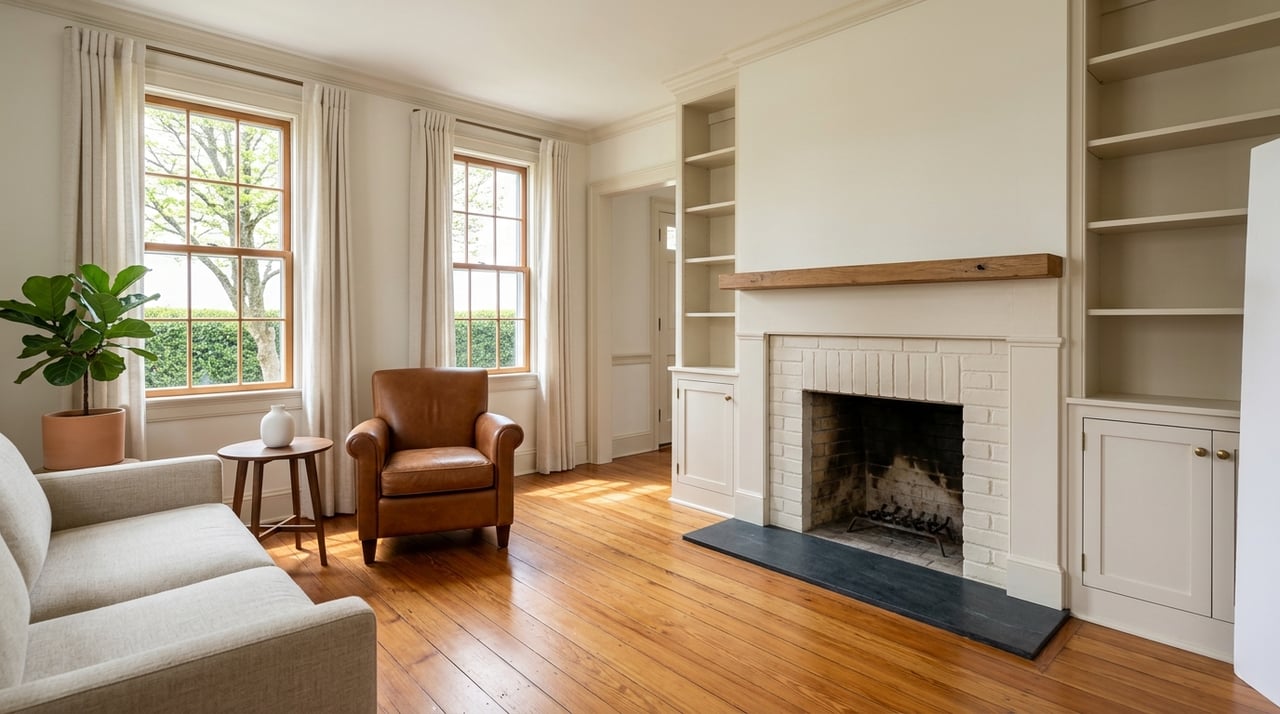
If you own a historic home in Jonesborough, you are not just selling square footage. You are selling craftsmanship, story, and a piece of Tennessee’s oldest town. That can be a major advantage, but only if your marketing respects what makes the home special. In this guide, you’ll learn how to present, price, and promote a historic Jonesborough home in a way that attracts serious buyers and protects its character. Let’s dive in.
Start With a Preservation-First Plan
Jonesborough was founded in 1779, and the town’s preserved Main Street and historic architecture are a central part of its identity. The town also highlights its status as a Distinctive Destination and a Preserve America Community. That matters because buyers looking at historic homes here are often drawn to authenticity, not a stripped-down, generic remodel.
If your home is in the H-1 or H-2 historic district, exterior work typically needs advance approval from the Historic Zoning Commission. That can include paint color, roofing, storm windows, storm doors, exterior lighting, additions, and signage. Before you make pre-listing changes outside, it is smart to confirm what approval may be required.
Jonesborough’s historic standards favor repairing original features instead of replacing them when possible. They also encourage compatible materials and historically appropriate paint palettes. In practical terms, your home should be marketed as a cared-for historic property with real character, not as a blank slate for heavy modernization.
Check Exterior Updates Before Listing
A quick exterior refresh can help your home show better, but in a historic district, the details matter. Even work that seems simple may need review before it begins. Same-color repainting may qualify for expedited review, but it still makes sense to verify the process first.
If you need period-correct materials for repairs, Jonesborough’s Heritage Alliance warehouse keeps reclaimed items such as doors, windows, bricks, and mantels. That can be especially helpful if you want to preserve the home’s look before it goes live on the market.
Stage to Highlight Original Character
Staging matters because it helps buyers picture how a home will live day to day. In the 2025 NAR staging report, 83% of buyers’ agents said staging makes it easier for buyers to visualize a property as their future home. The same report found that 49% of sellers’ agents saw faster sales, and 29% saw a 1% to 10% increase in offered value.
For a historic Jonesborough home, the goal is not to make it look trendy. The goal is to make the architecture visible. That means removing distractions so buyers notice the trim, wood floors, fireplaces, transoms, staircases, masonry, and original windows that give the home its identity.
Focus on the Most Important Rooms
According to NAR, the rooms that matter most to stage are the living room, primary bedroom, and kitchen. If you are choosing where to spend time and money, start there. These rooms usually shape a buyer’s first impression of how the home feels and functions.
Keep furnishings simple and intentional so room size and flow are easy to understand. In an older home, oversized furniture and too many accessories can make rooms feel smaller and hide architectural details. Fewer, better-placed pieces usually work best.
Use a Calm, Compatible Look
Jonesborough’s preservation guidance supports historically appropriate choices, and that should influence staging too. A calm, compatible color palette tends to work better than sharp, high-contrast trends. You want buyers to focus on the home’s craftsmanship, not on decor that competes with it.
Cleanliness and decluttering also matter. NAR found that sellers’ agents most often recommend decluttering, cleaning, and improving curb appeal. Those basics are especially powerful in a historic home, where every visible detail can either support the story or distract from it.
Build a Strong Online Presentation
Most buyers will meet your home online before they ever step inside. Zillow’s 2025 Consumer Housing Trends report found that 68% of buyers viewed homes for sale on a real estate website, and 59% had been shopping for at least six months. That means your listing has to do more than simply exist. It has to hold attention.
The same report found that floor plans were the most important listing feature for 33% of prospective buyers, followed by high-resolution photos at 26% and 3D or virtual tours at 20%. NAR’s staging report also showed that buyers’ agents place high importance on photos, staging, videos, and virtual tours. For a historic home, strong digital presentation is not optional.
Invest in Professional Photography
Historic homes need more than a few wide shots. Buyers should be able to see the exterior, streetscape, porch, main rooms, and close-up details that make the property memorable. Features like mantels, hardware, stair rails, masonry, and original windows deserve special attention.
Good photos should tell the truth while showing the home at its best. Bright, true-to-life imagery helps buyers understand condition and character. That is especially important when a home has older features that may read very differently in poor lighting or rushed cell phone photos.
Include a Floor Plan
Older homes often have room layouts that buyers want to understand before scheduling a showing. A readable floor plan helps them see how spaces connect and how the home may function for everyday life. It can answer questions that photos alone cannot.
This matters because buyers are not just comparing your home to other historic properties. They are comparing it to every listing they can view online. A floor plan gives them a clearer reason to keep your home on the shortlist.
Write a Listing Description With Story and Accuracy
Jonesborough has a natural connection to storytelling, with the National Storytelling Festival and the International Storytelling Center downtown. That local identity makes story-driven marketing a strong fit for a historic home. But the story still needs to be factual.
Your listing description should explain what is original, what has been restored, and what buyers should realistically expect from the property’s condition. Avoid language that overstates updates or makes the home sound newer than it is. Clear, accurate copy builds trust and helps attract the right buyer from the start.
Price With Discipline, Not Emotion
Historic homes often create strong emotional attachment, especially for longtime owners. But pricing still needs to reflect condition, market data, and buyer expectations. In March 2026, Realtor.com data for Jonesborough’s 37659 area showed a balanced market, with homes selling for about asking on average and a median days on market of 65.
That kind of market usually rewards realistic pricing over aspirational pricing. Buyers may pay for charm and location, but they still compare condition, layout, updates, and expected future maintenance. A historic label alone does not guarantee a premium.
Compare Against Condition and Comps
The best pricing strategy is to look at current Jonesborough comparables and then adjust for your home’s actual condition and presentation. If your property has well-preserved original features, thoughtful upkeep, and a polished marketing package, that can support value. If it needs work, the price should reflect that clearly.
Trying to “test the market” with an inflated number can backfire, especially when buyers have strong online tools and plenty of time to compare listings. In a balanced market, overpricing can lead to stale days on market and more difficult negotiations later.
Be Honest About Needed Work
If the home needs repairs or has deferred maintenance, your positioning should acknowledge that instead of hiding it. Buyers of historic homes are often willing to take on some work when the expectations are clear. Problems usually arise when the marketing suggests a condition the home does not actually have.
A straightforward approach can help you attract buyers who appreciate the home for what it is. It can also make offers and inspections smoother because the home was presented honestly from the beginning.
Prepare for Tennessee Disclosure Requirements
Before listing, take time to separate historic character from actual defects or malfunctions. Tennessee’s Residential Property Disclosure Act requires most sellers to provide a disclosure statement covering known defects or malfunctions, environmental hazards, flood or drainage issues, encroachments, and unpermitted work. The state also notes that failure to disclose can cancel a contract or lead to legal action.
For historic homes, this is especially important because age-related wear can blur together with real repair issues in a buyer’s mind. The clearer you are upfront, the more confidence you create. Good marketing works best when it is backed by accurate information.
Know the Difference Between Charm and Condition
Original materials, older windows, settled floors, and vintage details may all be part of a home’s appeal. Still, they should not be used to gloss over known issues. Buyers need a fair picture of what is character, what is maintenance, and what may need future attention.
That clarity helps with pricing, negotiations, and buyer trust. It also supports a smoother transaction because expectations are set early, not after surprises show up during due diligence.
A Smart Historic Home Marketing Checklist
If you want maximum appeal, focus on the steps that support both presentation and credibility:
- Confirm whether your home is in the H-1 or H-2 historic district
- Check Historic Zoning Commission requirements before any exterior work begins
- Prioritize repair over replacement where appropriate
- Use compatible materials and historically appropriate exterior choices
- Declutter and clean so original features stand out
- Stage the living room, primary bedroom, and kitchen first
- Use professional photography that captures both full rooms and architectural details
- Add a floor plan so buyers understand layout and flow
- Write accurate, story-driven listing copy
- Price from current Jonesborough comps and actual condition
- Complete disclosures carefully and honestly
Why Local Marketing Matters in Jonesborough
Selling a historic home here takes more than general real estate advice. You need marketing that understands the local rules, the town’s identity, and what buyers are really responding to in this market. That includes knowing how to present character correctly, when to verify zoning approval, and how to position condition without losing buyer interest.
That is where local experience can make a real difference. When your strategy combines preservation awareness, professional presentation, and market-based pricing, your home has a stronger chance to stand out for the right reasons.
If you’re getting ready to sell a historic home in Jonesborough, Matt Fleenor can help you build a smart, locally grounded plan that highlights your home’s character and supports a strong market debut.
FAQs
What makes marketing a historic Jonesborough home different?
- Historic Jonesborough homes should be marketed around authenticity, preserved character, and factual condition, especially because exterior changes in H-1 and H-2 districts may require Historic Zoning Commission approval.
What rooms should you stage first in a historic Jonesborough home?
- The living room, primary bedroom, and kitchen are the top priority rooms to stage, and the staging should help original details stand out rather than cover them up.
What listing photos matter most for a historic Jonesborough property?
- Professional photos should show the exterior, streetscape, porch, main living spaces, and close-up architectural details such as mantels, windows, masonry, hardware, and stair rails.
Why is a floor plan important when selling an older Jonesborough home?
- A floor plan helps buyers understand room flow and daily function, which is especially useful in older homes where layouts may be different from newer construction.
How should you price a historic home in Jonesborough, TN?
- You should price it based on current Jonesborough comparables, actual condition, and market data, not only on emotional value or the fact that the home is historic.
What should Tennessee sellers disclose when listing a historic home?
- Most sellers must disclose known defects or malfunctions, environmental hazards, flood or drainage issues, encroachments, and unpermitted work under Tennessee’s Residential Property Disclosure Act.